







The Benefits of Cloud Payments for Nonprofit Organizations: A Detailed Guide
In today’s digital age, technology has revolutionized the way organizations conduct their operations, and nonprofit organizations are no exception. One significant advancement that has transformed the nonprofit sector is the adoption of cloud payments. Cloud payments refer to the process of using cloud-based platforms and services to handle financial transactions, including donations, payments, and other financial operations.
This comprehensive guide aims to explore the benefits of cloud payments for nonprofit organizations, providing a detailed understanding of how this technology can streamline financial operations, enhance security and data protection, save costs and improve efficiency, ensure accessibility and scalability, integrate with existing systems, and help nonprofits choose the right cloud payment provider.
How Cloud Payments Can Streamline Financial Operations for Nonprofits
Cloud payments offer numerous advantages when it comes to streamlining financial operations for nonprofit organizations. One of the key benefits is the automation of payment processes. With cloud payment solutions, nonprofits can automate tasks such as donation processing, invoice generation, and payment reconciliation. This automation not only saves time but also reduces the risk of human error, ensuring accuracy in financial transactions.
Furthermore, cloud payments enable nonprofits to centralize their financial data. By storing all financial information in a secure cloud-based system, organizations can easily access and manage their financial records from anywhere at any time. This centralized approach eliminates the need for manual data entry and reduces the risk of data loss or duplication.
Another advantage of cloud payments is the ability to generate real-time financial reports. Nonprofits can leverage cloud-based analytics tools to gain insights into their financial performance, track donations, and monitor expenses. These reports provide valuable information for decision-making, budgeting, and financial planning, enabling nonprofits to allocate resources effectively and demonstrate transparency to stakeholders.
Enhanced Security and Data Protection with Cloud Payments

Security and data protection are paramount concerns for nonprofit organizations, especially when it comes to handling sensitive financial information. Cloud payment solutions offer enhanced security measures that can safeguard nonprofits’ data and protect against potential threats.
Cloud payment providers employ robust encryption techniques to ensure the confidentiality of financial data. This encryption ensures that sensitive information, such as credit card details or donor information, remains secure during transmission and storage. Additionally, cloud payment platforms undergo regular security audits and comply with industry standards, such as Payment Card Industry Data Security Standard (PCI DSS), to ensure the highest level of security.
Moreover, cloud payments reduce the risk of data loss or damage. Traditional payment methods, such as paper checks or physical cash, can be susceptible to loss or theft. By transitioning to cloud payments, nonprofits can eliminate these risks and rely on secure digital transactions. Cloud-based systems also offer data backup and disaster recovery capabilities, ensuring that financial data remains intact even in the event of a system failure or natural disaster.
Cost Savings and Efficiency Gains through Cloud Payment Solutions

Nonprofit organizations often operate on tight budgets, making cost savings and efficiency gains crucial for their sustainability. Cloud payment solutions offer several cost-saving benefits that can help nonprofits allocate their resources more effectively.
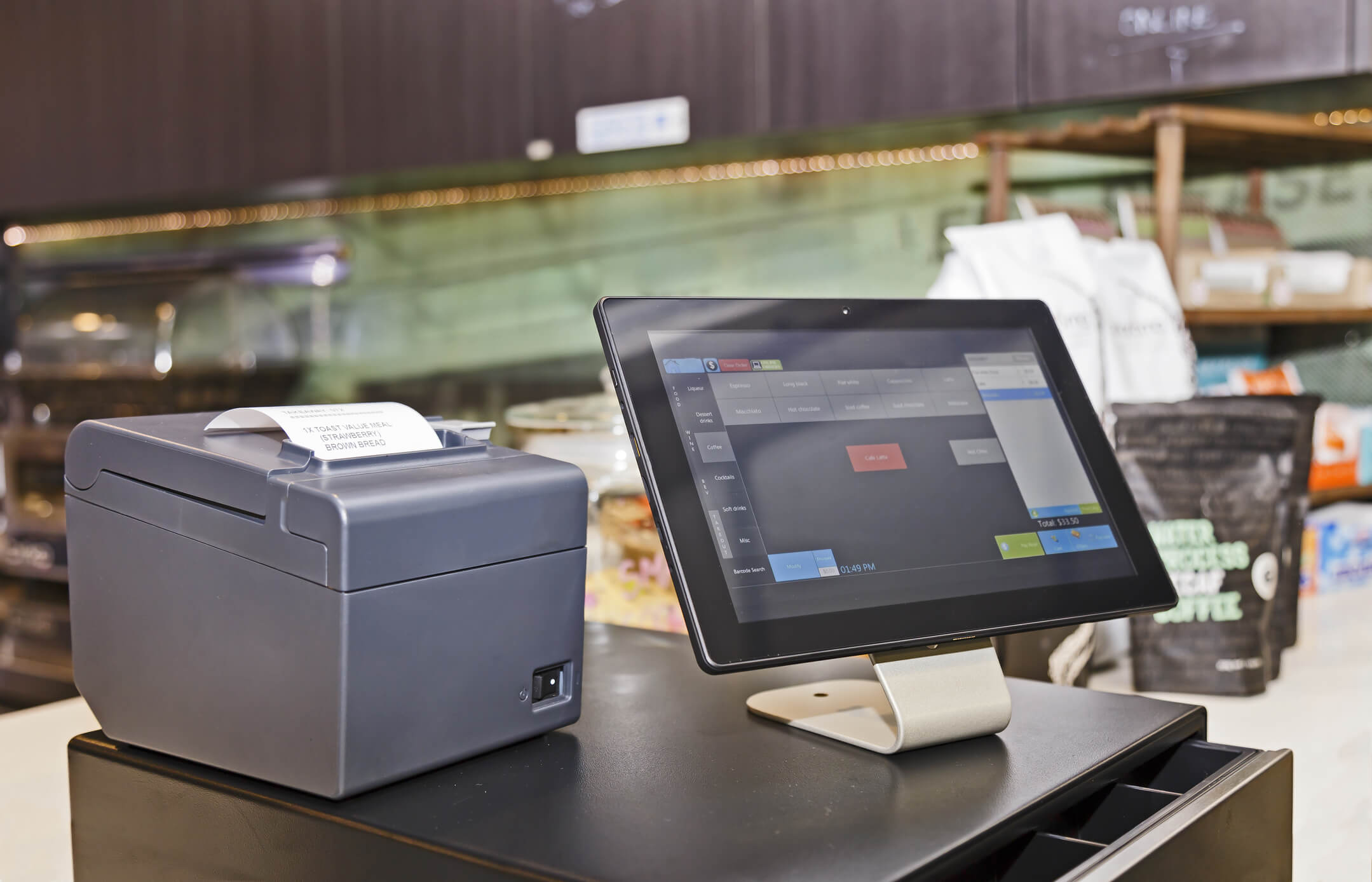
Firstly, cloud payments eliminate the need for physical infrastructure and hardware. Traditional payment methods often require organizations to invest in expensive equipment, such as point-of-sale terminals or check scanners. By leveraging cloud-based payment solutions, nonprofits can avoid these upfront costs and rely on the provider’s infrastructure.
Additionally, cloud payments reduce administrative overheads. With automated payment processes, nonprofits can streamline their financial operations, reducing the need for manual data entry, paperwork, and repetitive tasks. This automation not only saves time but also frees up staff to focus on more strategic initiatives, such as fundraising or program development.
Furthermore, cloud payment solutions offer competitive pricing models. Nonprofits can choose from various subscription plans or pay-as-you-go options, allowing them to scale their payment processing needs based on their requirements. This flexibility ensures that nonprofits only pay for the services they use, avoiding unnecessary expenses.
Accessible and Scalable: Cloud Payments for Nonprofits of All Sizes
One of the significant advantages of cloud payments is their accessibility and scalability, making them suitable for nonprofits of all sizes. Whether a small grassroots organization or a large international nonprofit, cloud payment solutions can cater to their unique needs.
Cloud payments offer accessibility by providing a user-friendly interface that can be accessed from any device with an internet connection. This accessibility allows nonprofits to accept donations or process payments from anywhere, whether it’s through a website, mobile app, or in-person using a mobile card reader. By offering multiple payment channels, nonprofits can reach a broader audience and make it convenient for donors to contribute.
Moreover, cloud payment solutions are scalable, meaning they can accommodate nonprofits’ growth and changing needs. As organizations expand their operations or experience seasonal fluctuations in donation volumes, cloud payment providers can easily scale their services to handle increased transaction volumes. This scalability ensures that nonprofits can continue to process payments efficiently without any disruptions.
Integrating Cloud Payments with Existing Nonprofit Systems and Processes
For nonprofit organizations, integrating cloud payments with existing systems and processes is crucial to ensure a seamless transition and maximize the benefits of this technology. Cloud payment providers offer various integration options that allow nonprofits to connect their payment systems with other software or platforms they use.
One common integration is with customer relationship management (CRM) systems. By integrating cloud payments with a CRM, nonprofits can automatically update donor records, track donation history, and generate personalized acknowledgments or receipts. This integration streamlines the donor management process and improves communication with supporters.
Additionally, cloud payment solutions can integrate with accounting software. This integration enables nonprofits to automatically sync financial data, such as donations or payments, with their accounting system, eliminating the need for manual data entry and reducing the risk of errors. By automating this process, nonprofits can save time and ensure accurate financial reporting.
Choosing the Right Cloud Payment Provider for Your Nonprofit
When it comes to choosing a cloud payment provider for a nonprofit organization, several factors need to be considered to ensure the right fit. Here are some key considerations to keep in mind:
- Security and Compliance: Ensure that the cloud payment provider follows industry-standard security practices and complies with relevant regulations, such as PCI DSS.
- Integration Capabilities: Assess the provider’s ability to integrate with existing systems, such as CRM or accounting software, to streamline operations and data management.
- Pricing and Cost Structure: Evaluate the provider’s pricing models and determine if they align with the nonprofit’s budget and transaction volume. Consider any additional fees or charges that may apply.
- Customer Support: Look for a provider that offers reliable customer support, including technical assistance and training resources, to ensure a smooth implementation and ongoing support.
- Reputation and Track Record: Research the provider’s reputation in the nonprofit sector and review testimonials or case studies from other organizations to gauge their experience and success.
Best Practices for Implementing Cloud Payments in Nonprofits
To ensure a successful implementation of cloud payment systems, nonprofit organizations should consider the following best practices:
- Assess the specific needs and requirements of the nonprofit: Before selecting a cloud payment provider, nonprofits should evaluate their specific needs and requirements. This assessment should consider factors such as the volume of donations, the desired level of integration with existing software, and the budget available for implementation.
- Choose a reputable and reliable cloud payment provider: It is crucial to select a reputable and reliable cloud payment provider that prioritizes security and data protection. Nonprofits should research and compare different providers, considering factors such as security measures, compliance standards, pricing models, and customer reviews.
- Train staff and volunteers on using the cloud payment system: To ensure a smooth transition to cloud payments, nonprofits should provide adequate training to staff and volunteers. This training should cover the functionalities of the cloud payment system, data entry procedures, and security protocols. Regular refresher training sessions can also help keep everyone up to date with any system updates or changes.
- Communicate the transition to donors: Nonprofits should communicate the transition to cloud payments to their donors. This communication should highlight the benefits of cloud payments, such as enhanced security, convenience, and improved donor experience. Nonprofits can use various channels, such as email newsletters, social media, and their website, to inform donors about the transition and address any concerns or questions.
Common Concerns and FAQs about Cloud Payments for Nonprofits
As with any new technology, nonprofit organizations may have concerns or questions regarding cloud payments. Here are some common concerns and FAQs addressed:
Q.1: Is cloud payment secure for nonprofits?
Yes, cloud payment solutions employ robust security measures, such as encryption and compliance with industry standards, to ensure the security of financial data.
Q.2: Can cloud payments integrate with our existing systems?
Yes, cloud payment providers offer integration options to connect with existing systems, such as CRM or accounting software, to streamline operations and data management.
Q.3: How much does cloud payment cost?
The cost of cloud payment solutions varies depending on factors such as transaction volume and features required. Providers offer different pricing models, including subscription plans or pay-as-you-go options.
Q.4: Will cloud payments save us time and resources?
Yes, cloud payments automate payment processes, reducing the need for manual data entry and paperwork. This automation saves time and allows staff to focus on more strategic initiatives.
Q.5: Can cloud payments handle our organization’s growth?
Yes, cloud payment solutions are scalable and can accommodate nonprofits’ growth or fluctuations in transaction volumes. Providers can easily scale their services to handle increased demand.
Conclusion
Cloud payments offer numerous benefits for nonprofit organizations, including enhanced security and data protection, cost savings and efficiency gains, streamlined donation management, improved donor experience, and integration and compatibility with existing systems. By embracing cloud payment solutions, nonprofits can optimize their operations, increase donor engagement, and focus on their core mission. As technology continues to advance, cloud payments will undoubtedly play a crucial role in the future of nonprofit organizations.