








How to Choose the Best Cloud Payment Platform for Your Needs
In today’s digital age, businesses are increasingly relying on cloud payment platforms to streamline their payment processes and enhance customer experiences. With the multitude of options available in the market, choosing the best cloud payment platform for your needs can be a daunting task. This comprehensive guide aims to provide you with a detailed understanding of the factors to consider when selecting a cloud payment platform, including security and compliance features, integration capabilities, pricing models, performance and scalability, customer support, and user experience.
Factors to Consider When Choosing a Cloud Payment Platform
1. Security and Compliance Features
Security is of paramount importance when it comes to handling sensitive customer payment data. Look for a cloud payment platform that offers robust security measures such as encryption, tokenization, and secure data storage. Additionally, ensure that the platform complies with industry standards and regulations such as the Payment Card Industry Data Security Standard (PCI DSS) to protect against data breaches and fraud.
2. Integration Capabilities
Consider the integration capabilities of the cloud payment platform with your existing systems and software. A seamless integration will enable you to automate payment processes, synchronize data, and provide a unified experience across different channels. Look for platforms that offer APIs and pre-built integrations with popular e-commerce platforms, accounting software, and customer relationship management (CRM) systems.
3. Pricing Models and Cost Structures
Evaluate the pricing models and cost structures of different cloud payment platforms to ensure they align with your business requirements and budget. Some platforms charge a flat fee per transaction, while others have tiered pricing based on transaction volume. Consider factors such as setup fees, monthly subscriptions, transaction fees, and any additional charges for value-added services.
4. Performance and Scalability
Assess the performance and scalability of the cloud payment platform to ensure it can handle your business’s growth and peak transaction volumes. Look for platforms that offer high uptime guarantees, low latency, and the ability to handle concurrent transactions without performance degradation. Scalability is crucial to accommodate increased transaction volumes during peak periods or as your business expands.
5. Customer Support and Service Level Agreements (SLAs)
Reliable customer support is essential when dealing with payment-related issues. Look for a cloud payment platform that offers 24/7 customer support through multiple channels such as phone, email, and live chat. Additionally, review the service level agreements (SLAs) to understand the platform’s commitment to uptime, response times, and issue resolution.
6. User Experience
A seamless and intuitive user experience is vital for both your customers and your internal teams. Evaluate the user interface of the cloud payment platform to ensure it is easy to navigate, visually appealing, and customizable to match your brand. Consider features such as one-click payments, guest checkout options, and mobile responsiveness to enhance the user experience.
Assessing Security and Compliance Features in a Cloud Payment Platform
Security is a top concern when it comes to handling payment data. When choosing a cloud payment platform, it is crucial to assess the security and compliance features offered by the provider. Look for platforms that employ robust encryption techniques to protect sensitive data during transmission and storage. Encryption ensures that payment information is scrambled and can only be decrypted by authorized parties, minimizing the risk of data breaches.
Tokenization is another important security feature to consider. It involves replacing sensitive payment data with unique tokens that have no intrinsic value. This ensures that even if the token is intercepted, it cannot be used to gain access to the original payment information. Tokenization provides an additional layer of security and reduces the scope of PCI DSS compliance requirements.
Speaking of compliance, ensure that the cloud payment platform adheres to industry standards and regulations such as the Payment Card Industry Data Security Standard (PCI DSS). PCI DSS sets forth a comprehensive framework for securing payment card data and is mandatory for any business that accepts credit card payments. Choosing a platform that is PCI DSS compliant ensures that your business is meeting the necessary security requirements and reduces the risk of penalties or reputational damage.
Evaluating Integration Capabilities of Cloud Payment Platforms
Integration capabilities play a crucial role in streamlining payment processes and enhancing operational efficiency. When selecting a cloud payment platform, consider its compatibility with your existing systems and software. Look for platforms that offer APIs (Application Programming Interfaces) that allow seamless integration with your e-commerce platform, accounting software, CRM system, and other relevant applications.
APIs enable real-time data synchronization, automate payment processes, and provide a unified experience across different channels. For example, integrating your cloud payment platform with your e-commerce platform allows for automatic order fulfillment and inventory management. Similarly, integrating with your accounting software ensures accurate and timely recording of transactions, simplifying reconciliation and financial reporting.
Pre-built integrations with popular e-commerce platforms such as Shopify, WooCommerce, or Magento can significantly reduce the time and effort required for integration. These integrations often come with ready-to-use plugins or extensions that facilitate a seamless connection between your online store and the cloud payment platform.
Comparing Pricing Models and Cost Structures of Cloud Payment Platforms
Pricing models and cost structures vary among different cloud payment platforms. It is essential to evaluate these factors to ensure they align with your business requirements and budget. Here are some key considerations when comparing pricing models:
- Transaction Fees: Most cloud payment platforms charge a transaction fee for each payment processed. The fee can be a flat rate or a percentage of the transaction amount. Consider the volume and average value of your transactions to determine the impact of transaction fees on your overall costs.
- Setup Fees: Some platforms may charge a one-time setup fee to onboard your business onto their platform. Evaluate whether the setup fee is justified based on the features and benefits offered by the platform.
- Monthly Subscriptions: Certain cloud payment platforms require a monthly subscription fee in addition to transaction fees. Consider the value provided by the platform and whether the subscription fee is justified based on your transaction volume and business needs.
- Value-Added Services: Some platforms offer additional services such as fraud detection, chargeback management, or recurring billing at an extra cost. Assess the relevance and importance of these services to your business and evaluate whether the additional cost is justified.
- International Transactions: If your business operates globally or plans to expand internationally, consider the fees associated with processing international transactions. Some platforms charge higher fees for cross-border payments or may have additional requirements for compliance with local regulations.
Analyzing Performance and Scalability of Cloud Payment Platforms
Performance and scalability are critical factors to consider when choosing a cloud payment platform. A platform’s performance directly impacts the speed and reliability of payment processing, while scalability ensures that the platform can handle increased transaction volumes as your business grows. Here are some key aspects to analyze:
- Uptime Guarantee: Look for platforms that offer a high uptime guarantee, ideally 99.9% or higher. Uptime refers to the percentage of time the platform is operational and available for processing payments. A higher uptime guarantee ensures minimal disruption to your payment processes and customer experience.
- Latency: Latency refers to the time it takes for a payment transaction to be processed. Evaluate the platform’s average latency to ensure fast and efficient payment processing. Low latency is particularly crucial for businesses that handle high volumes of transactions or require real-time payment authorization.
- Concurrent Transaction Handling: Consider the platform’s ability to handle concurrent transactions without performance degradation. If your business experiences peak periods with a surge in transaction volumes, ensure that the platform can handle the increased load without compromising performance or causing delays.
- Load Balancing and Redundancy: Assess whether the cloud payment platform utilizes load balancing and redundancy techniques to distribute the workload across multiple servers and ensure high availability. Load balancing helps prevent server overload and ensures consistent performance even during peak periods.
Examining Customer Support and Service Level Agreements (SLAs) in Cloud Payment Platforms
Reliable customer support is crucial when dealing with payment-related issues. When selecting a cloud payment platform, evaluate the level of customer support provided by the provider. Look for platforms that offer 24/7 customer support through multiple channels such as phone, email, and live chat. Prompt and efficient support can help resolve payment-related issues quickly, minimizing disruptions to your business operations.
Additionally, review the service level agreements (SLAs) offered by the cloud payment platform. SLAs outline the provider’s commitment to uptime, response times, and issue resolution. Look for SLAs that guarantee a certain level of uptime, typically 99.9% or higher, to ensure minimal downtime and maximum availability of the payment platform.
Understanding the Importance of User Experience in Cloud Payment Platforms
User experience plays a significant role in customer satisfaction and retention. When choosing a cloud payment platform, consider the user interface and overall experience it offers to both your customers and internal teams. Here are some key aspects to consider:
- User Interface: Evaluate the user interface of the cloud payment platform to ensure it is intuitive, visually appealing, and easy to navigate. A clean and user-friendly interface reduces the learning curve for your staff and enhances their productivity. For customers, a seamless and intuitive interface simplifies the payment process, reducing cart abandonment rates and improving conversion rates.
- Customizability: Look for platforms that allow customization of the user interface to match your brand identity. Customizability enables you to maintain a consistent brand experience throughout the payment process, reinforcing brand recognition and trust.
- One-Click Payments: Consider whether the cloud payment platform supports one-click payments or saved payment methods. One-click payments streamline the checkout process, allowing returning customers to complete transactions quickly without re-entering their payment details. This convenience can significantly improve the user experience and encourage repeat purchases.
- Guest Checkout Options: Evaluate whether the platform offers guest checkout options for customers who prefer not to create an account. Guest checkout simplifies the payment process for first-time customers, reducing friction and improving conversion rates.
Common FAQs about Choosing the Best Cloud Payment Platform
Q.1: What is a cloud payment platform?
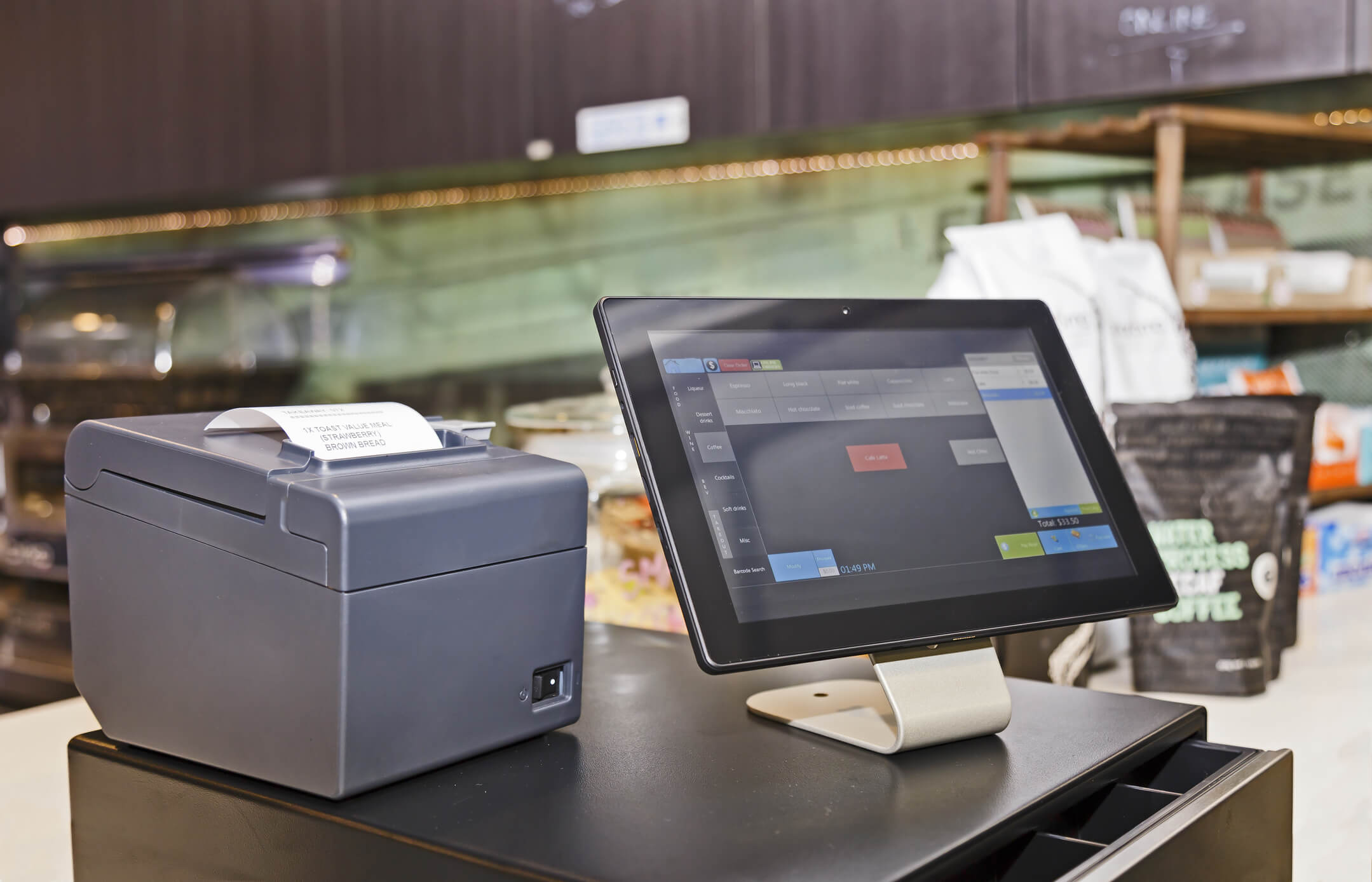
A cloud payment platform is a software solution that enables businesses to accept and process payments securely over the internet. It eliminates the need for on-premises payment infrastructure and provides a range of features such as payment processing, fraud detection, reporting, and integration with other business systems.
Q.2: Why should I choose a cloud payment platform over traditional payment methods?
Cloud payment platforms offer numerous advantages over traditional payment methods. They provide enhanced security, scalability, and flexibility, allowing businesses to adapt to changing customer preferences and market demands. Additionally, cloud payment platforms often offer advanced features such as real-time reporting, automated reconciliation, and integration with other business systems, streamlining payment processes and improving operational efficiency.
Q.3: How do I ensure the security of customer payment data?
To ensure the security of customer payment data, choose a cloud payment platform that employs robust security measures such as encryption and tokenization. Encryption scrambles payment data during transmission and storage, while tokenization replaces sensitive data with unique tokens. Additionally, ensure that the platform complies with industry standards and regulations such as the Payment Card Industry Data Security Standard (PCI DSS).
Q.4: Can I integrate a cloud payment platform with my existing systems?
Yes, most cloud payment platforms offer integration capabilities with popular e-commerce platforms, accounting software, CRM systems, and other relevant applications. Look for platforms that provide APIs or pre-built integrations to ensure seamless data synchronization and automation of payment processes.
Q.5: How do pricing models vary among cloud payment platforms?
Pricing models and cost structures vary among different cloud payment platforms. Some platforms charge a flat fee per transaction, while others have tiered pricing based on transaction volume. Consider factors such as setup fees, monthly subscriptions, transaction fees, and any additional charges for value-added services when comparing pricing models.
Conclusion
Choosing the best cloud payment platform for your business is a critical decision that can significantly impact your payment processing efficiency and customer experience. By assessing your business needs and goals, evaluating security and compliance features, considering scalability and integration capabilities, assessing pricing models and cost considerations, and comparing customer support and service level agreements, you can make an informed decision.
Remember to prioritize security, scalability, and user-friendliness to ensure a seamless payment experience for your customers and streamline your business operations.