




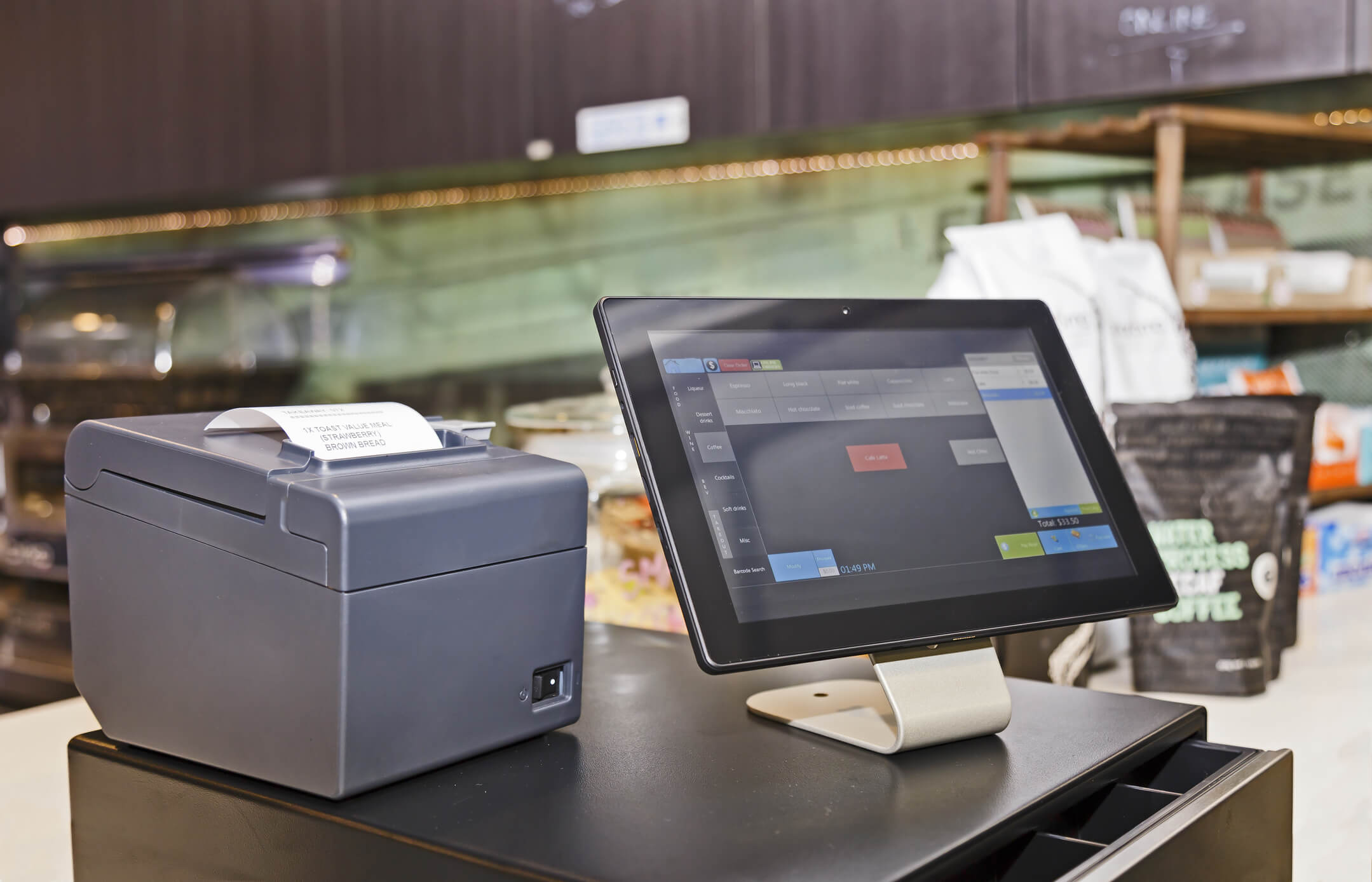


Integrating Cloud Payments with Mobile Wallets
In today’s digital age, the way we make payments has undergone a significant transformation. With the rise of smartphones and the increasing popularity of mobile wallets, consumers are now able to make payments conveniently and securely using their mobile devices. However, the integration of cloud payments with mobile wallets takes this convenience to a whole new level.
In this article, we will explore the concept of integrating cloud payments with mobile wallets, understand its benefits, key considerations for implementation, and explore different mobile wallets and cloud payment solutions. We will also provide a step-by-step guide to integrating cloud payments with mobile wallets, discuss best practices for a seamless integration, address security and privacy concerns, and look into future trends and innovations in this field.
Understanding Cloud Payments and Mobile Wallets
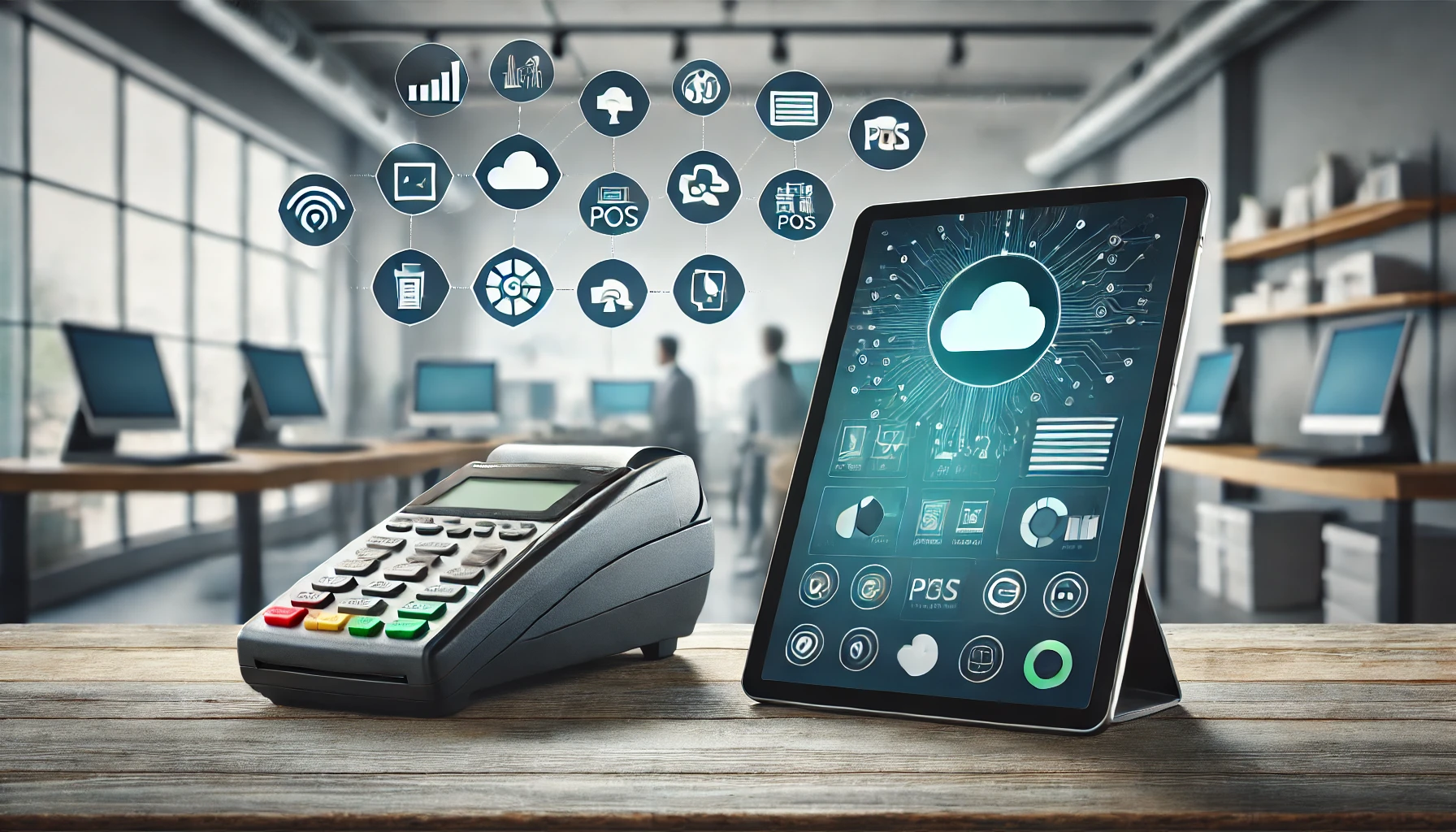
Before diving into the integration of cloud payments with mobile wallets, it is essential to understand what these terms mean individually. Cloud payments refer to the process of making payments using cloud-based technology, where the payment information is stored and processed on remote servers rather than on the user’s device. On the other hand, mobile wallets are digital wallets that allow users to store their payment information securely on their mobile devices. These wallets can be used to make payments at physical stores, online merchants, and even peer-to-peer transactions.
Benefits of Integrating Cloud Payments with Mobile Wallets
The integration of cloud payments with mobile wallets offers numerous benefits for both consumers and businesses. Firstly, it enhances convenience by allowing users to make payments anytime, anywhere, without the need to carry physical wallets or credit cards. With just a few taps on their mobile devices, users can complete transactions swiftly and effortlessly. This convenience factor leads to increased customer satisfaction and loyalty.
Secondly, integrating cloud payments with mobile wallets enables businesses to streamline their payment processes. By accepting mobile wallet payments, businesses can reduce the reliance on traditional payment methods, such as cash or card payments, which often involve manual handling and processing. This not only saves time but also reduces the risk of errors and fraud.
Furthermore, the integration of cloud payments with mobile wallets opens up new opportunities for businesses to engage with their customers. Mobile wallets often provide features such as loyalty programs, personalized offers, and digital receipts, which can help businesses build stronger relationships with their customers and drive repeat purchases.
Key Considerations for Implementing Cloud Payments with Mobile Wallets
While the integration of cloud payments with mobile wallets offers numerous benefits, businesses need to consider several key factors before implementing this technology. Firstly, businesses must ensure that their payment infrastructure is compatible with mobile wallet integration. This may involve upgrading their point-of-sale systems or partnering with payment service providers that support mobile wallet payments.
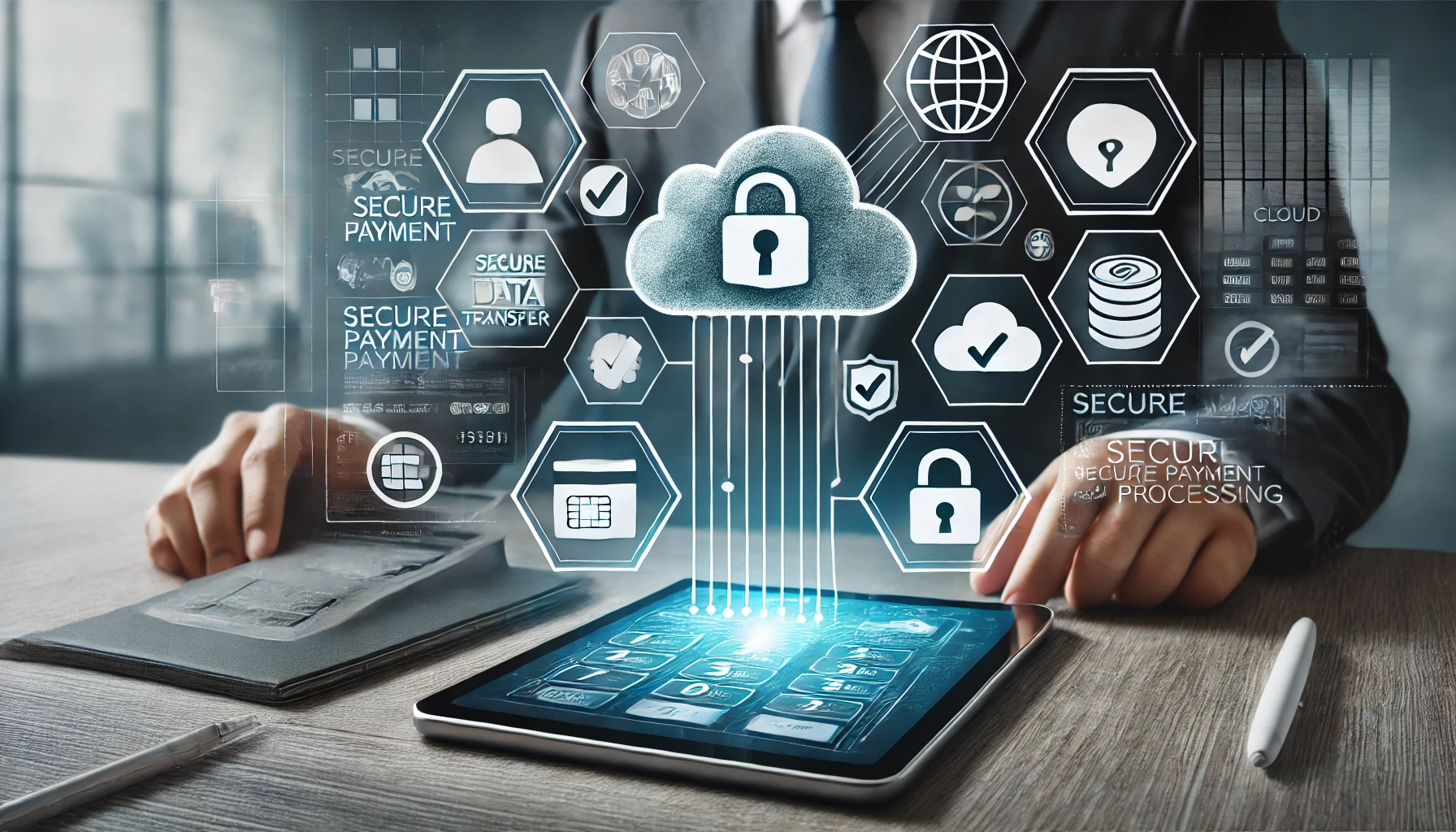
Secondly, businesses need to consider the security and privacy implications of integrating cloud payments with mobile wallets. Storing payment information in the cloud introduces new risks, such as data breaches or unauthorized access. Therefore, businesses must implement robust security measures, such as encryption and tokenization, to protect sensitive customer data.
Additionally, businesses should also consider the cost implications of integrating cloud payments with mobile wallets. While the initial investment may be significant, the long-term benefits, such as increased efficiency and customer satisfaction, often outweigh the costs.
Exploring Different Mobile Wallets and Cloud Payment Solutions
There are several mobile wallets and cloud payment solutions available in the market today. Each of these solutions offers unique features and capabilities, catering to different user preferences and business requirements. Let’s explore some of the popular mobile wallets and cloud payment solutions:
- Apple Pay: Apple Pay is a mobile wallet developed by Apple Inc. It allows users to make payments using their iPhones, iPads, or Apple Watches. Apple Pay uses near-field communication (NFC) technology to enable contactless payments at physical stores. It also supports in-app and online payments.
- Google Pay: Google Pay, formerly known as Android Pay, is a mobile wallet developed by Google. It is available on Android devices and allows users to make payments using their smartphones or smartwatches. Google Pay supports both NFC-based contactless payments and in-app payments.
- Samsung Pay: Samsung Pay is a mobile wallet developed by Samsung Electronics. It is available on Samsung smartphones and smartwatches. What sets Samsung Pay apart is its ability to support both NFC-based contactless payments and magnetic secure transmission (MST) technology, which allows users to make payments at traditional magnetic stripe card terminals.
- PayPal: PayPal is a popular online payment platform that also offers a mobile wallet feature. Users can link their bank accounts, credit cards, or PayPal balances to their PayPal accounts and make payments using their mobile devices. PayPal supports both online and in-app payments.
- Square: Square is a cloud-based payment solution that offers a range of services, including mobile wallet payments. Square provides businesses with a point-of-sale system that supports mobile wallet payments, as well as other features such as inventory management and analytics.
Step-by-Step Guide to Integrating Cloud Payments with Mobile Wallets
Now that we have explored the benefits, key considerations, and different mobile wallets and cloud payment solutions, let’s dive into a step-by-step guide to integrating cloud payments with mobile wallets:
- Assess your business needs: Before integrating cloud payments with mobile wallets, assess your business needs and objectives. Determine how mobile wallet integration aligns with your overall business strategy and whether it will help you achieve your goals.
- Choose the right mobile wallet and cloud payment solution: Evaluate different mobile wallets and cloud payment solutions based on factors such as compatibility with your existing infrastructure, security features, and customer base. Choose the solution that best meets your requirements.
- Upgrade your payment infrastructure: If necessary, upgrade your point-of-sale systems or partner with payment service providers that support mobile wallet payments. Ensure that your payment infrastructure is compatible with the chosen mobile wallet and cloud payment solution.
- Implement security measures: Implement robust security measures to protect sensitive customer data. This may include encryption, tokenization, and multi-factor authentication. Work closely with your IT team or security experts to ensure that your payment system is secure.
- Train your staff: Provide training to your staff on how to accept mobile wallet payments and handle any issues that may arise. Ensure that they are familiar with the chosen mobile wallet and cloud payment solution and can assist customers effectively.
- Test the integration: Before rolling out the integration to all customers, conduct thorough testing to ensure that the integration is seamless and error-free. Test different scenarios, such as contactless payments, in-app payments, and online payments, to ensure that everything works as expected.
- Communicate with your customers: Once the integration is live, communicate with your customers about the availability of mobile wallet payments. Educate them on how to use mobile wallets and the benefits they offer. Consider offering incentives or promotions to encourage customers to use mobile wallets.
- Monitor and optimize: Continuously monitor the performance of your mobile wallet integration and gather feedback from customers. Use this feedback to optimize the integration and address any issues or concerns that may arise.
Best Practices for a Seamless Integration of Cloud Payments and Mobile Wallets
To ensure a seamless integration of cloud payments with mobile wallets, businesses should follow these best practices:
- Choose a reliable and secure mobile wallet and cloud payment solution: Select a solution that has a proven track record of reliability and security. Look for certifications and compliance with industry standards to ensure that the solution meets the highest security standards.
- Optimize the user experience: Focus on providing a smooth and intuitive user experience. Minimize the number of steps required to complete a payment and ensure that the process is fast and efficient. Consider implementing features such as one-click payments or biometric authentication to enhance convenience.
- Offer incentives and rewards: Encourage customers to use mobile wallets by offering incentives and rewards. This could include discounts, loyalty points, or exclusive offers for mobile wallet users. These incentives can help drive adoption and increase customer engagement.
- Provide clear instructions and support: Make sure that customers have access to clear instructions on how to use mobile wallets. Provide support channels, such as a dedicated customer support team or online resources, to assist customers with any issues or questions they may have.
- Regularly update and maintain your payment infrastructure: Keep your payment infrastructure up to date with the latest security patches and updates. Regularly monitor and maintain your systems to ensure optimal performance and security.
Security and Privacy Concerns in Cloud Payments and Mobile Wallets Integration
While integrating cloud payments with mobile wallets offers numerous benefits, it also raises security and privacy concerns. Storing payment information in the cloud introduces new risks, such as data breaches or unauthorized access. To address these concerns, businesses must implement robust security measures.
Encryption is a crucial security measure that ensures that payment information is transmitted and stored securely. By encrypting payment data, businesses can protect it from unauthorized access. Additionally, tokenization can be used to replace sensitive payment information with unique tokens, further enhancing security.
Multi-factor authentication is another important security measure that businesses should consider implementing. By requiring users to provide multiple forms of identification, such as a password and a fingerprint scan, businesses can add an extra layer of security to the payment process.
Privacy concerns also arise when integrating cloud payments with mobile wallets. Businesses must ensure that they comply with privacy regulations and obtain the necessary consent from customers to store and process their payment information. Transparent privacy policies and clear communication with customers can help address these concerns.
Future Trends and Innovations in Cloud Payments and Mobile Wallets Integration
The integration of cloud payments with mobile wallets is a rapidly evolving field, and several future trends and innovations are expected to shape its development. Here are some of the key trends to watch out for:
- Biometric authentication: Biometric authentication, such as fingerprint or facial recognition, is becoming increasingly popular in mobile wallets. This technology provides an additional layer of security and convenience, eliminating the need for passwords or PINs.
- Internet of Things (IoT) integration: With the proliferation of IoT devices, the integration of mobile wallets with IoT devices is expected to increase. Users will be able to make payments using their smartwatches, fitness trackers, or even connected cars.
- Blockchain technology: Blockchain technology has the potential to revolutionize the payment industry by providing secure and transparent transactions. Integrating blockchain technology with mobile wallets can enhance security and reduce the risk of fraud.
- Enhanced loyalty programs: Mobile wallets are likely to offer more advanced loyalty programs, allowing businesses to provide personalized offers and rewards based on customer preferences and behavior. This can help drive customer engagement and loyalty.
- Voice-activated payments: Voice-activated payments, powered by virtual assistants such as Siri or Alexa, are gaining popularity. Users can make payments by simply speaking commands to their mobile devices, making the payment process even more convenient.
FAQs
Q.1: What is the difference between cloud payments and mobile wallets?
Cloud payments refer to the process of making payments using cloud-based technology, where the payment information is stored and processed on remote servers. Mobile wallets, on the other hand, are digital wallets that allow users to store their payment information securely on their mobile devices.
Q.2: Are cloud payments and mobile wallets secure?
Cloud payments and mobile wallets can be secure if proper security measures are implemented. Encryption, tokenization, and multi-factor authentication are some of the security measures that businesses should consider when integrating cloud payments with mobile wallets.
Q.3: Can I use multiple mobile wallets on my device?
Yes, most mobile devices allow users to install and use multiple mobile wallets simultaneously. This gives users the flexibility to choose the mobile wallet that best suits their needs for different transactions.
Q.4: Can I use mobile wallets for online purchases?
Yes, mobile wallets can be used for online purchases. When making an online purchase, users can select the mobile wallet as their payment method and complete the transaction using their mobile device.
Q.5: What are the benefits of integrating cloud payments with mobile wallets for businesses?
Integrating cloud payments with mobile wallets offers several benefits for businesses, including increased convenience, streamlined payment processes, enhanced customer engagement, and the ability to offer personalized offers and rewards.
Conclusion
The integration of cloud payments with mobile wallets has revolutionized the way we make payments. It offers convenience, efficiency, and enhanced security for both consumers and businesses. By understanding the benefits, key considerations, and best practices for integrating cloud payments with mobile wallets, businesses can leverage this technology to drive customer satisfaction, streamline payment processes, and stay ahead in the ever-evolving digital landscape.
As security measures continue to advance and new innovations emerge, the future of cloud payments and mobile wallets integration looks promising, paving the way for a seamless and secure payment experience.