





What Are Digital Payments?
Digital payments, also referred to as electronic payments, are online transactions that involve the use of digital financial instruments to transfer money or goods between a sender and recipient. These methods of payments are an efficient, secure, and convenient alternative to traditional cash or check transactions. While digital payments are still relatively new, they are increasingly becoming an important part of many financial institutions; operations.
Why Digital Payments are Increasingly Important to Financial Institutions?
Digital payments are becoming increasingly important to financial institutions as they provide faster and more efficient methods of exchanging funds between parties. Digital payments can be completed in less time compared to the time-consuming process of paper-based payment methods. In addition, digital payments can be more cost-effective for financial institutions as they are not hampered by the paperwork that is associated with paper-based payments.
Digital payments also provide financial institutions with greater control over their finances. For example, digital payments can offer financial institutions more visibility into the payment process, allowing them to better manage cash flows and track transactions. This can lead to greater efficiency and improved customer service. Furthermore, digital payments can also help financial institutions reduce the risk of fraud and money laundering, as digital information is more easily tracked.
Key Benefits of Digital Payments
The key benefits of digital payments are speed, security, convenience, and control.
- Speed: Digital payments are much faster compared to traditional payment methods, as the entire transaction is completed electronically. This means that there is no delay due to the transfer of physical funds.
- Security: Digital payments vastly improve the security of monetary transactions by utilizing the latest encryption technology to protect financial data. This is a much safer option than traditional payment methods, which are more vulnerable to theft and fraud.
- Convenience: Digital payments offer customers a convenient way to transfer funds without having to physically go to the bank or store. This eliminates the hassle of waiting in long lines and making sure that you have the right amount of cash or checks on hand.
- Control: Digital payments provide financial institutions with greater control over their operations. This is because digital payments can easily be tracked and monitored, allowing financial institutions to better manage their finances.
What are the Types of Digital Payments?
There are several different types of digital payments. These include mobile payments, debit cards, credit cards, digital wallets, prepaid cards, and direct deposits. Mobile payments involve utilizing mobile phones and tablets to make payments. Debit cards are payment cards that are linked to a bank account. Credit cards provide consumers with a line of credit to make purchases.
Digital wallets, such as Apple Pay or Google Pay, store payment information securely and allow users to make payments in-store. Prepaid cards are cards that are preloaded with a set amount of funds that can be used to make purchases. Direct deposits involve transferring funds directly from a bank account to another party’s bank account.
Why Will Digital Cards Dominate the Future of Digital Payments?
Digital cards are becoming increasingly popular as they provide customers with a secure and convenient way to make digital payments. Digital cards are a type of payment card that is linked to a digital wallet and can be used to make online purchases. They are similar to traditional credit cards, but they do not require the customer to enter the card details manually when making a purchase. Furthermore, digital cards offer the same level of online fraud protection that is offered by credit cards and allow customers to access rewards and discounts, similar to traditional credit cards. Due to their convenience and security, digital cards are quickly becoming the preferred payment method for many customers. As this trend continues, digital cards will likely become the dominant form of digital payments in the future.
How Digital Card Solutions Work?
Digital card solutions are an integrated payment solution that are used to process digital card payments. These solutions typically consist of a payment gateway, a payment processor, payment card networks, and anti-fraud and security features.The payment gateway is a web interface that allows customers to securely enter their payment card information. The payment processor is responsible for authorizing and processing card payments. The payment card networks are responsible for connecting payment card issuers and merchants. Lastly, the anti-fraud and security features are designed to prevent fraud and ensure that transactions are secure.
Key Components of a Digital Card Solution
A successful digital card solution should include the following components:•
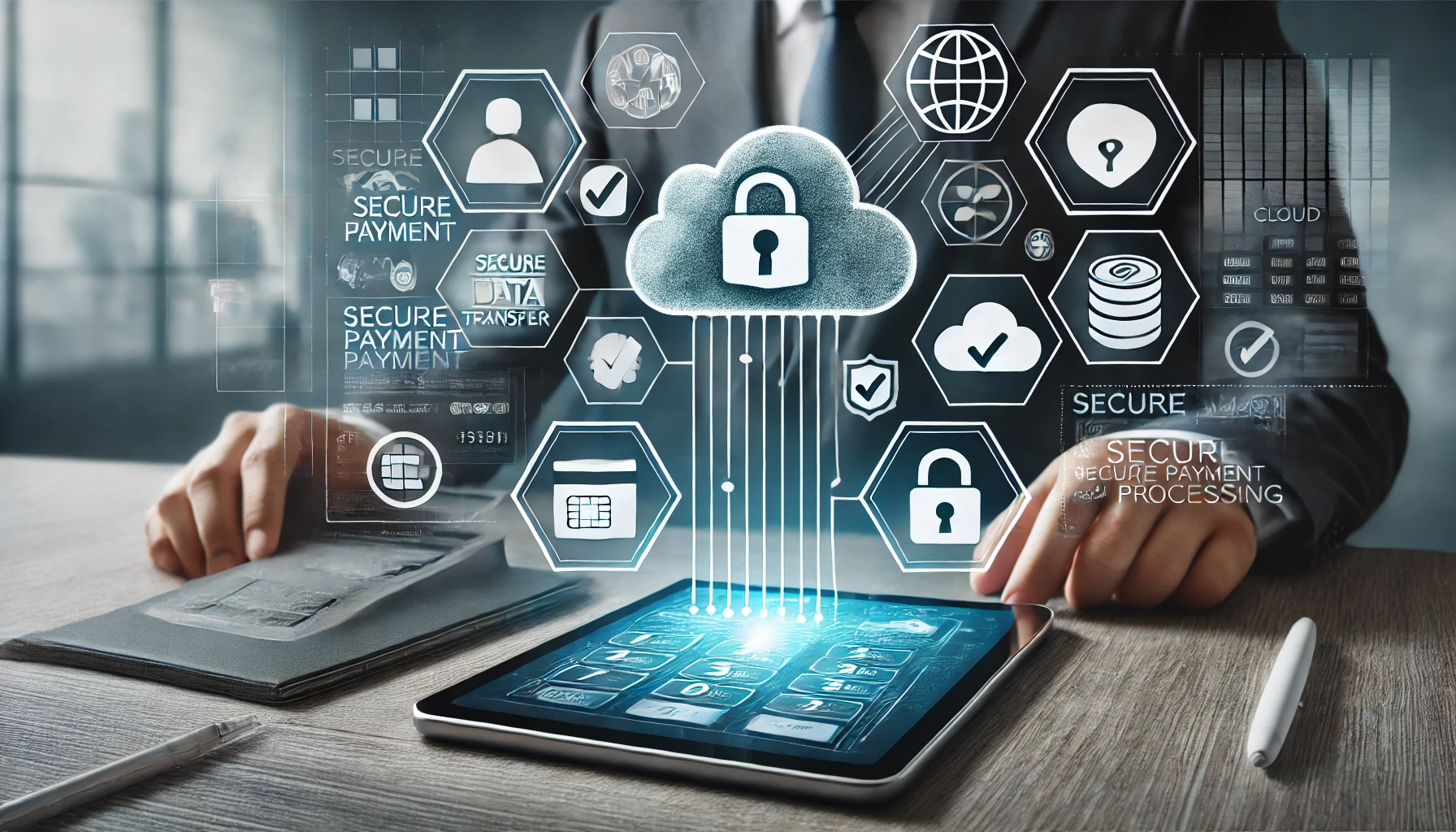
- Secure payment processing: A secure payment processing system is integral to a successful digital card solution. This involves encrypting all payment data, utilizing fraud prevention tools, and monitoring the system for anomalies.
- Payment card networks: Payment card networks provide the connection between the merchant and payment card issuer. This is essential in ensuring that funds are transferred securely and quickly.
- Payment gateway: A payment gateway is a web interface that allows customers to securely enter their payment card information. This should be designed to be user-friendly and provide a seamless checkout experience.
- Compatibility: Digital card solutions should be compatible with a variety of payment cards, including debit, credit, and prepaid cards. Additionally, the solution should be compatible with different payment card networks and payment processors.
How to Secure Transactions with Digital Card Solutions
Digital card solutions should be designed to be secure and protect both customers and financial institutions from fraud and theft. The following measures should be taken to ensure the security of digital card transactions:
- Encryption: All payment data should be encrypted to prevent malicious parties from accessing sensitive information.
- Monitoring: The system should be constantly monitored for anomalies. This will allow any suspicious activity to be quickly identified and addressed.
- Fraud prevention tools: Fraud prevention tools such as Address Verification Service (AVS) or card verification value (CVV) verification should be utilized to prevent fraud and ensure security.
- Software updates: The software should be kept up to date with the most recent security patches to ensure that the system is secure against the latest security threats.
Investing in Digital Card Solutions to Build a Competitive Advantage and Meet Customer Needs
Digital card solutions can provide financial institutions with a significant competitive advantage. As customers are increasingly becoming more comfortable with digital payments, investing in digital card solutions is essential for financial institutions to remain competitive and meet customer needs.
Digital card solutions can also offer customers numerous advantages. These include increased convenience, faster transactions, a seamless checkout experience, and improved security. Additionally, digital card solutions are becoming increasingly integrated with rewards and discounts, providing customers with even more incentive to use digital payment solutions.
By investing in digital card solutions, financial institutions can benefit from increased customer loyalty, improved customer service, and improved bottom lines. Furthermore, digital card solutions can help financial institutions better understand their customers and provide more tailored services.
In summary, digital payment solutions are becoming increasingly important for financial institutions due to their speed, security, convenience, and control. Digital cards are likely to dominate the future of digital payments due to their secure and convenient nature. Digital card solutions bring together the various components of digital payments and should be designed to be secure and protect customer data. Investing in digital card solutions can help financial institutions gain a competitive advantage and meet customer needs.